
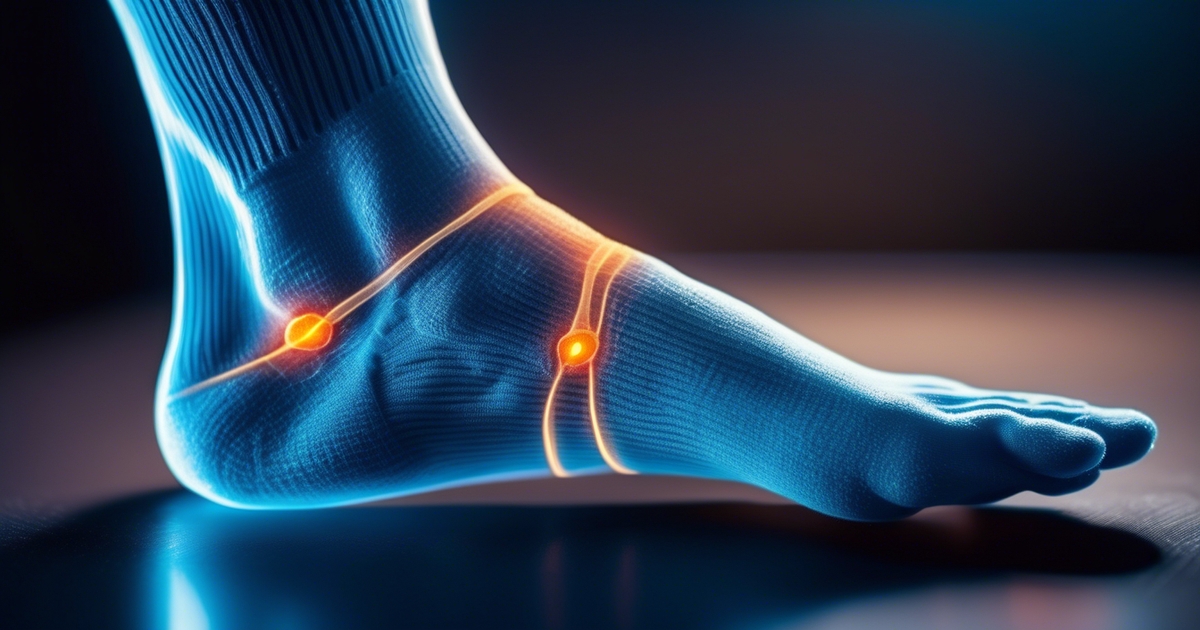
What is the Fastest Way to Cure Plantar Fasciitis?
- Recognizing Symptoms of Plantar Fasciitis
- Diagnosing Plantar Fasciitis with Imaging Tests
- Massage Techniques for Immediate Plantar Fasciitis Relief
- Stretching and Physical Therapy for Quick Healing
- Stretching exercises targeting the calf muscles and Achilles tendon can alleviate tension on the plantar fascia.
- Physical therapy sessions can help strengthen the foot muscles and improve flexibility.
- A customized exercise program designed by a physical therapist can expedite recovery from plantar fasciitis.
- Icing and Medication to Reduce Inflammation
- Rest, Activity Modification, and Orthotics Support
- Advanced Treatments: Shock Wave Therapy and Steroid Injections
- Surgical Options for Persistent Plantar Fasciitis
- Lifestyle Changes and Home Remedies for Ongoing Care
- Conclusion
- Frequently Asked Questions
Plantar fasciitis is a common foot condition that causes heel pain. If you are experiencing PF, seeking health information about treatment options is important.
If you’re looking for the fastest way to cure plantar fasciitis (pf), use the information provided. Look no further. Quick recovery from plantar fasciitis pain (pdf) is possible with the right treatment.
By understanding the causes and symptoms of plantar fasciitis (pf), you can take proactive steps towards fast healing.
The plantar fascia, a thick band of tissue connecting the heel bone to the toes, can become strained and inflamed due to factors such as overuse, flat feet, or tight calf muscles.
PF is a common condition that causes pain in the foot. This can lead to intense pain in the heel area, known as plantar fasciitis (PF).
The Achilles tendon and calf muscles are also closely involved in this condition.
From targeted exercises and stretches to proper footwear and rest techniques, we will provide you with practical tips based on research-backed information.
Recognizing Symptoms of Plantar Fasciitis
Heel Pain: A Common Symptom
One of the most common symptoms of plantar fasciitis is heel pain, especially in the morning or after long periods of rest.
When you first get out of bed and take those initial steps, you may experience a sharp pain in your heel.
This pain can also occur after sitting or standing for extended periods. The sensation is often described as a stabbing or burning feeling.
Activity-Related Pain
Another key symptom to watch out for is pain that worsens with activity and improves with rest.
If you notice that your foot pain increases when walking, running, or engaging in any weight-bearing activities, it could be a sign of plantar fasciitis.
However, the pain tends to subside when you give your feet some time to rest.
Swelling and Tenderness in the Heel Area
In addition to heel pain, plantar fasciitis can also cause swelling and tenderness in the affected area. You may notice that your heel feels tender to the touch or appears slightly swollen.
This swelling occurs due to inflammation caused by irritation and micro-tears in the plantar fascia ligament.
It’s important to note that not everyone with plantar fasciitis will experience all these symptoms at once.
Some individuals may have mild discomfort, while others may have more severe pain and swelling. It’s essential to pay attention to any changes in your foot health and consult a healthcare professional if you suspect plantar fasciitis.

- ✶REDUCES HEEL & FOOT PAIN – Using the ProStretch daily reduces pain and inflammation caused by plantar fasciitis, Achilles tendonitis, Sever’s disease, shin splints, and tight calves / hamstrings. The ProStretch calf stretcher isolates the lower leg muscles, tendons, and ligaments to ensure a deep, effective stretch that helps to reduce injuries.
- ✶PHYSICIAN TRUSTED & APMA ACCEPTED – This foot rocker is medically proven to be effective and found in physical therapy clinics worldwide. The gentle motion of the ProStretch provides a deeper and more effective stretch than conventional methods.
- ✶SLIP-RESISTANT PADS – The advanced rubber strips on the bottom of the ProStretch protect against moving and sliding, allowing for a safe and effective stretch. The slip-resistant pads ensure that the calf stretcher does not slide when used on any surface.
- ✶PROVEN EFFECTIVE DESIGN – The unique rocker design holds the foot in the optimal position for an accurate and efficient stretch, increasing flexibility, increasing circulation, and enhancing overall performance.
- ✶NOTES ON USE – Fits adult shoes up to size 12. The recommended weight limit is 250 lbs. Wear socks and athletic shoes while using the ProStretch.
Last update on 2026-10-24 / Affiliate links / Images from Amazon Product Advertising API
Diagnosing Plantar Fasciitis with Imaging Tests
X-rays are used to identify bone spurs and rough-out conditions like chronic heel pain and foot pain. Night splints can provide pain relief.
X-rays are a commonly used imaging test to diagnose plantar fasciitis.
While they may not directly show the plantar fascia, they can help rule out other conditions that may be causing foot pain. X-rays can also identify bone spurs, which are bony growths that sometimes develop in individuals with plantar fasciitis.
By examining the X-ray images, healthcare professionals can determine if there are any abnormalities in the bones of the foot or ankle. This information is crucial in ruling out fractures or other foot conditions that may mimic plantar fasciitis symptoms.
Identifying bone spurs associated with plantar fasciitis can provide valuable insights into the condition’s underlying cause.
Ultrasound Imaging for Detailed Visualizations
Ultrasound imaging is another valuable tool used to diagnose plantar fasciitis. It involves using high-frequency sound waves to create detailed images of soft tissues like the plantar fascia and surrounding structures.
With ultrasound imaging, healthcare professionals can visualize the thickness and integrity of the plantar fascia. They can also assess for any signs of inflammation or tears within the tissue.
These detailed visualizations aid in confirming a diagnosis of plantar fasciitis and determining its severity.
Furthermore, ultrasound imaging allows for real-time assessment during movement, providing dynamic information about how the foot functions while walking or running.
This helps healthcare professionals gain a comprehensive understanding of how plantar fasciitis affects an individual’s daily activities.
MRI scans are useful for detecting soft tissue abnormalities in the plantar fascia ligament, which is often associated with chronic heel pain caused by plantar fasciitis.
These scans can also help rule out other foot conditions. Insoles are a common treatment for alleviating plantar fasciitis pain.
MRI scans (magnetic resonance imaging) are particularly useful. Unlike X-rays or ultrasound imaging, MRI scans provide highly detailed cross-sectional images of the foot’s soft tissues.
These scans can reveal any inflammation, tears, or thickening of the plantar fascia. They also help rule out other foot conditions that may present with symptoms similar to plantar fasciitis.
Massage Techniques for Immediate Plantar Fasciitis Relief
Massaging the affected area can effectively alleviate the pain and inflammation caused by plantar fasciitis.
Techniques like deep tissue massage and cross-friction massage can provide immediate relief by targeting specific areas of discomfort. Regular self-massage can promote blood flow and aid in the healing process.
Massaging the affected area
Massaging the affected area is one of the fastest ways to find relief from plantar fasciitis.
Applying pressure to the foot can help reduce tension and alleviate pain.
By using your hands or a massage tool, you can target specific points on your foot that are experiencing discomfort. This technique helps to loosen tight muscles and promote relaxation.
Deep tissue massage
Deep tissue massage is a technique that focuses on applying firm pressure to release tension in deeper layers of muscle tissue.
This type of massage targets the foot, calf muscles, and surrounding areas.
By kneading and stretching these muscles, deep-tissue massage helps improve circulation, reduce inflammation, and relieve pain.
Cross-friction massage
Cross-friction massage involves applying pressure perpendicular to the direction of muscle fibers.
This technique helps break down scar tissue, increase flexibility, and stimulate blood flow in targeted areas.
Cross-friction massage is particularly beneficial for plantar fasciitis relief when applied along the length of the plantar fascia ligament.
It helps reduce inflammation and promotes healing by encouraging proper alignment of collagen fibers.
Regular self-massage
In addition to seeking professional massages, regular self-massage can be crucial in managing plantar fasciitis symptoms.
Incorporating self-massage into your daily routine can promote blood flow and aid in the healing process.
Simple techniques such as rolling a tennis ball under your foot or using a foam roller on your calf muscles can relieve and prevent further discomfort.
Combining massage with other therapies
While massage can be an effective standalone treatment for plantar fasciitis, combining it with other therapies can enhance its benefits.
For example, using pressure points and massaging techniques can target specific areas of pain more effectively.
Dry cupping is another technique that can be used in conjunction with massage to increase blood flow and reduce inflammation in the affected area.
Incorporating regular stretching exercises and wearing proper footwear are also essential components of a comprehensive treatment plan for plantar fasciitis.

- Immediately relieves plantar fasciitis heel pain from plantar fasciitis & heel spurs treating pain directly at the source. Prevents plantar fasciitis from coming back.
- Distributes foot pressure evenly across the foot, reducing pressure from the forefoot to the heel as you walk.
- Shock-absorbing deep heel cup manages heel inflammation, reduces stress and provides both cushioning and stability to the foot. Arch support hugs your foot in just the right spot to stop the plantar fascia from overstretching. Provides support across arch types, including high arches.
- Reduces morning plantar fasciitis pain.
- Full-length insole that can be easily trimmed to fit your shoe size.

Last update on 2026-10-24 / Affiliate links / Images from Amazon Product Advertising API
Stretching and Physical Therapy for Quick Healing
Stretching exercises targeting the calf muscles and Achilles tendon can alleviate tension on the plantar fascia, relieving chronic heel and foot pain. Insoles can also be used for additional pain relief.
Stretching is a crucial component of the healing process for plantar fasciitis. By targeting the calf muscles and Achilles tendon, you can help alleviate tension on the plantar fascia, which is the main cause of pain in this condition.
Simple stretches like standing calf or towel stretches can effectively relieve tightness and reduce discomfort. These stretches should be performed regularly to maintain flexibility and prevent further strain on the plantar fascia.
Physical therapy sessions can help alleviate plantar fasciitis pain by strengthening the foot muscles and improving flexibility through targeted exercises and the use of insoles.
Physical therapy plays a significant role in treating plantar fasciitis. Through guided exercises and specialized techniques, physical therapists can help strengthen the foot muscles, improve flexibility, and promote proper alignment.
They may incorporate various techniques such as ultrasound therapy, electrical stimulation, or manual manipulation to enhance healing.
Physical therapists can assess your gait mechanics and recommend orthotics or supportive footwear to reduce stress on the plantar fascia during daily activities.
A customized exercise program designed by a physical therapist can expedite pain relief from plantar fasciitis. This program can provide effective foot pain relief by incorporating specific stretches and targeting pressure points.
Working closely with a physical therapist allows for a personalized approach to treating plantar fasciitis. They will evaluate your specific needs and design an exercise program tailored to your condition.
This customized program may include a combination of stretching exercises, strengthening exercises, balance training, and low-impact activities like swimming or cycling that minimize stress on the feet.
The guidance provided by a physical therapist ensures that you are performing exercises correctly while gradually increasing intensity as your condition improves.
Icing and Medication to Reduce Inflammation
Applying ice to the affected area can help reduce inflammation and alleviate pain. Additionally, using pressure points and compression techniques can provide relief.
Incorporating exercise and stretching into your routine can also be beneficial.
One of the fastest ways to relieve plantar fasciitis pain is by applying ice to the affected area. Ice helps reduce inflammation, which is often a major cause of discomfort in plantar fasciitis.
The cold temperature constricts blood vessels, reducing blood flow and swelling in the foot. To apply ice, you can use an ice pack or fill a plastic bag with ice cubes and wrap it in a thin towel before placing it on your heel.
Icing should be done for about 15-20 minutes at a time, several times throughout the day.
It’s important not to apply ice directly to the skin as it can cause frostbite or tissue damage. If you don’t have access to an ice pack, you can also try rolling your foot over a frozen water bottle for similar effects.
Nonsteroidal anti-inflammatory drugs (NSAIDs) can provide temporary relief from foot pain caused by plantar fasciitis (pf). These medications can help alleviate symptoms and improve overall foot health.
Additionally, incorporating regular stretching exercises into your routine can further support the management of pf and promote foot health.
In addition to icing, taking nonsteroidal anti-inflammatory drugs (NSAIDs) can help reduce inflammation and temporarily relieve plantar fasciitis symptoms.
NSAIDs such as ibuprofen or naproxen sodium are available over-the-counter and can be taken according to the recommended dosage instructions on their packaging.
These medications work by inhibiting certain enzymes that produce inflammatory substances in our body, helping to decrease pain and swelling associated with plantar fasciitis.
However, it’s important to note that NSAIDs only provide temporary relief and should not be relied upon as a long-term solution.
Topical creams or gels containing anti-inflammatory ingredients can be used for localized pain relief, providing information and support for back health. These PF products are effective in targeting specific areas of discomfort.
Another option for relieving plantar fasciitis pain is topical creams or gels containing anti-inflammatory ingredients. These products are applied directly to the affected area and can relieve localized pain. Common ingredients in these creams include menthol, camphor, or salicylates.
These topical treatments work by numbing the area and reducing inflammation, which can help alleviate pain and discomfort. It’s important to follow the instructions on the product packaging and avoid using these creams on broken or irritated skin.
Rest, Activity Modification, and Orthotics Support
Resting the foot and avoiding activities exacerbating symptoms is crucial for healing plantar fasciitis.
This allows the inflamed plantar fascia to recover and reduces further strain on the affected area. Inactivity may seem counterintuitive, it is an essential part of the recovery process.
Modifying activities to reduce impact on the feet can promote faster recovery from plantar fasciitis. High-impact activities such as running or jumping put excessive stress on the plantar fascia, making it difficult for it to heal.
Instead, engaging in low-impact exercises like swimming or cycling can help maintain fitness levels without aggravating the condition.
Wearing orthotic inserts or shoe inserts can provide additional support and cushioning to the plantar fascia.
Custom orthotics are specially designed inserts that are tailored to an individual’s foot shape and arch type.
They help distribute pressure evenly across the foot, reducing strain on the plantar fascia. Over-the-counter orthotic inserts or heel cups can also provide some level of support and cushioning.
Orthotics with arch support can help stabilize and align the foot, relieving pressure on the plantar fascia.
These supports can be worn daily in regular shoes or sports shoes during physical activity.
Arch supports provide immediate relief and aid in long-term recovery by promoting proper foot mechanics.
Night splints are another form of orthotic support that can be beneficial for treating plantar fasciitis.
These devices are worn while sleeping and keep the foot in a dorsiflexed position, stretching the calf muscles and plantar fascia overnight.
This gentle stretch helps alleviate morning pain and stiffness commonly associated with plantar fasciitis.
In addition to rest, activity modification, and orthotic support, addressing any underlying factors contributing to plantar fasciitis is important.
This may include addressing issues such as tight calf muscles, improper footwear, or excessive weight.
Physical therapy exercises, stretching routines, and lifestyle changes can all play a role in the overall treatment plan for plantar fasciitis.
It is important to consult with a healthcare professional or podiatrist for proper diagnosis and guidance on the most appropriate treatment options for each individual case.
Advanced Treatments: Shock Wave Therapy and Steroid Injections
Shock Wave Therapy
Shock wave therapy is an advanced treatment option for plantar fasciitis that uses sound waves to stimulate healing in the affected area.
This non-invasive procedure aims to alleviate pain and promote tissue regeneration. During the therapy session, a healthcare professional will apply high-energy sound waves to the heel or arch of the foot.
The sound waves create microtrauma within the tissues, which triggers a healing response. This process promotes blood flow and stimulates collagen production, a protein essential for tissue repair.
Shock wave therapy can help reduce pain and improve overall function by targeting the source of inflammation.
While shock wave therapy has shown promising results in treating plantar fasciitis, it may not suit everyone.
Individuals with certain medical conditions, such as bleeding disorders or infections in the treatment area, may need to explore alternative options.
It’s crucial to consult with a healthcare professional to determine if shock wave therapy is appropriate for your specific case.
Steroid Injections
In cases where conservative methods fail to provide relief, steroid injections may be recommended for severe plantar fasciitis.
These injections contain cortisone, a powerful anti-inflammatory medication that helps reduce swelling and pain in the affected area.
Steroid injections are typically administered directly into the site of inflammation under ultrasound guidance to ensure accuracy.
The cortisone suppresses immune responses and decreases inflammation within the plantar fascia.
This can provide significant relief from pain and allow individuals to resume their regular activities more comfortably.
It’s important to note that while steroid injections can offer temporary relief, they are not considered a long-term solution for plantar fasciitis.
Overuse or excessive reliance on these injections can lead to complications such as weakening of surrounding tissues or even rupture of the plantar fascia itself.
Therefore, they are usually reserved for severe cases when other treatment options have been exhausted.

- HEEL PAIN RELIEF: Helps reduce discomfort from plantar fasciitis and heel pain, offering targeted relief for a variety of foot conditions
- GEL HEEL INSERT: The gel insert absorbs shock and cradles the tender heel, providing cushioning and reducing impact with each step
- SUPPORTS THE PLANTAR FASCIA: Supports the entire width of the plantar fascia, reducing stress and helping to prevent further pain or injury
- ARCH SUPPORT: Offers support for a variety of foot types, including high arches and flat feet, promoting better alignment and comfort
- FREE EXERCISE GUIDE: Includes a helpful exercise guide to assist with pain management and aid in recovery
Last update on 2026-10-24 / Affiliate links / Images from Amazon Product Advertising API
Surgical Options for Persistent Plantar Fasciitis
Surgery for Unresponsive Cases
Surgery is typically reserved for persistent cases of plantar fasciitis that do not respond to other treatments.
While most cases of plantar fasciitis can be effectively managed with conservative measures, there are instances where surgical intervention becomes necessary.
Plantar Fasciotomy: Releasing Tension in the Plantar Fascia
One common surgical procedure for treating persistent plantar fasciitis is a plantar fasciotomy. This procedure involves releasing tension in the plantar fascia through surgical means.
During a plantar fasciotomy, the surgeon makes an incision in the foot and cuts a portion of the plantar fascia to relieve pressure on the affected area.
By doing so, this surgery aims to alleviate pain and promote healing.
Exhausting Non-Surgical Alternatives First
It’s important to note that surgical options should only be considered after exhausting all non-surgical alternatives.
These alternatives include rest, physical therapy, orthotics, stretching exercises, shock wave therapy, and steroid injections.
Surgery is typically seen as a last resort when all other treatment options have been explored without success.
The decision to undergo surgery should be made in consultation with a healthcare professional specializing in foot and ankle conditions.
They will assess the severity of your condition and determine if surgery is indeed necessary based on factors such as pain levels, functional limitations, and response to previous treatments.
While surgery may relieve some individuals with persistent plantar fasciitis, it is not without risks or guarantees of success.
As with any surgical procedure, there are potential complications such as infection, nerve damage, or prolonged recovery time.
Having realistic expectations about the outcomes and potential risks associated with surgery is essential.
Lifestyle Changes and Home Remedies for Ongoing Care
Maintaining a Healthy Weight
One of the key lifestyle changes that can help with ongoing care for plantar fasciitis is maintaining a healthy weight.
Excess weight puts additional stress on the feet, which can exacerbate the symptoms of plantar fasciitis. By maintaining a healthy weight, individuals can reduce the strain on their feet and prevent the recurrence of this condition.
This can be achieved through a combination of regular exercise and a balanced diet.
Engaging in low-impact activities such as swimming or cycling can be beneficial, as they provide cardiovascular benefits without placing excessive pressure on the feet.
Wearing Supportive Footwear
Another important aspect of ongoing care for plantar fasciitis is wearing supportive footwear with proper arch support.
Shoes with cushioning in the heel area and good arch support help distribute body weight evenly across the foot, reducing strain on the plantar fascia.
Opting for shoes specifically designed for individuals with plantar fasciitis or those that provide ample support and cushioning is recommended.
Avoiding high heels or shoes with inadequate arch support can also help prevent future episodes of plantar fasciitis.
Regular Stretching Exercises
Incorporating regular stretching exercises into daily routines is crucial for ongoing care of plantar fasciitis.
These exercises aim to stretch and strengthen the muscles in the feet and calves, relieving tension on the plantar fascia.
Simple stretches like toe curls, calf stretches, and towel stretches can effectively reduce pain and improve flexibility.
It is advisable to perform these exercises multiple times throughout the day, especially before getting out of bed in the morning or after long rest periods.
Self-Care Techniques
Apart from stretching exercises, there are various self-care techniques that individuals can incorporate into their daily routines to manage plantar fasciitis symptoms effectively.
Applying ice to the affected area for 15-20 minutes several times daily can help reduce inflammation and alleviate pain.
Massaging the foot with a tennis ball or a frozen water bottle can also relieve the plantar fascia by applying steady pressure.
Using orthotic inserts or arch supports in shoes can provide additional cushioning and support to the feet.
Conclusion
In conclusion, this article has provided valuable insights into the fastest ways to cure plantar fasciitis.
By recognizing the symptoms and diagnosing the condition accurately, individuals can take proactive measures to alleviate pain and promote healing.
Massage techniques, stretching exercises, and physical therapy have proven to provide immediate relief. Icing, medication, rest, activity modification, and orthotics support can help reduce inflammation and support long-term recovery.
For more advanced cases, shock wave therapy, steroid injections, or even surgical options may be necessary.
To ensure a successful recovery from plantar fasciitis, it is crucial to consult with a healthcare professional for personalized advice and treatment plans.
Frequently Asked Questions
What is plantar fasciitis?
Plantar fasciitis is a common foot condition characterized by inflammation of the plantar fascia, a thick band of tissue that connects the heel bone to the toes. It causes pain and discomfort in the heel or arch of the foot.
How can I recognize the symptoms of plantar fasciitis?
Common symptoms of plantar fasciitis include sharp pain in the heel or arch, especially upon waking up or after prolonged periods of rest. The pain may worsen with activity and improve with rest. Tenderness and swelling may also be present.
Are imaging tests necessary for diagnosing plantar fasciitis?
While imaging tests like X-rays or MRI scans are not always required for diagnosing plantar fasciitis, they can help rule out other possible causes of foot pain and confirm the diagnosis if uncertain.
Can massage provide immediate relief for plantar fasciitis?
Yes, certain massage techniques can offer immediate relief from plantar fasciitis pain. Massaging the affected area helps increase blood flow, relax muscles, and reduce inflammation. However, it’s important to consult a professional therapist specializing in treating this condition.
How effective is physical therapy for healing plantar fasciitis? Can stretching be used to improve pf health?
Stretching exercises and physical therapy play a crucial role in healing plantar fasciitis. They help strengthen the foot muscles, improve flexibility, reduce tension on the plantar fascia, and promote healing. Consistent adherence to these therapies can lead to significant improvement over time.


