Foot Problems – Plantar Warts
A wart, or verruca, is a small bump on the skin caused by a virus that infects the top layer of skin cells.
Warts are believed to be transmitted through direct or indirect contact (via a gym or shower floor) with someone carrying the virus.
This virus called the human papillomavirus (HPV), is easier to “catch” if there is a cut or an abrasion on the skin.
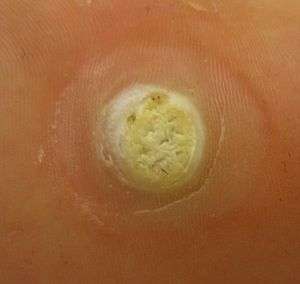
Plantar warts are a common foot problem caused by the human papillomavirus (HPV). They appear as small, rough growths on the soles of the feet, often with black dots in the center.
Plantar warts can be painful, especially when walking or standing, and may spread to other areas of the foot or to other people through direct contact.
Treatment options for plantar warts include over-the-counter medications, such as salicylic acid, which help to remove the wart gradually.
Cryotherapy, which involves freezing the wart with liquid nitrogen, is another common treatment option. In some cases, surgical removal or laser therapy may be necessary.
Preventing plantar warts involves maintaining good foot hygiene, avoiding walking barefoot in public places, and wearing protective footwear, such as flip-flops, in communal areas like locker rooms and swimming pools.
If you suspect you have plantar warts or are concerned about your foot health, it is best to consult a healthcare professional for an accurate diagnosis and appropriate treatment plan.
Plantar warts occur on the bottoms of the feet. They are frequently studded with pinpoint dark spots and tiny, clotted blood vessels.
When they occur on portions of the feet that bear weight, they are flattened by the weight placed on them and can be quite painful.
They can be confused with corns; however, corns lack surface pinpoint dark spots.
Symptoms: Rough or “warty” bumps that are skin-colored, white, tan, or pink; typically pea-sized or smaller; pain in warts that occur on weight-bearing portions of the feet.
Treatment: A podiatrist can remove a common wart by freezing it with liquid nitrogen, using laser vaporization, or surgically removing it in a procedure called curettage and electrodesiccation.
Your doctor should explain that no single treatment is guaranteed to work, and a given form of treatment may need to be repeated several times.
Unfortunately, the wart virus can be very resistant to therapy. Even after an apparent complete cure, it may appear again in the same spot years later.
Warts do not necessarily require treatment. They are neither cancerous nor precancerous.
About one-half to two-thirds of all warts disappear spontaneously within 1 to 2 years without any therapy.
However, warts can be treated by a doctor to alleviate pain and prevent them from spreading to other areas of the body and to other individuals.
Prognosis: Because existing warts shed the virus, new warts can surface nearby, even as others vanish. Unfortunately, warts can be a recurring, chronic problem for some people.
- For the removal of plantar warts.
- Clinically proven removal.
- Cushioning pad relieves pain when you walk.
- 24 Medicated Discs, 24 Cushioning Pads.
- Active Ingredient: Salicylic Acid.
Last update on 2026-10-16 / Affiliate links / Images from Amazon Product Advertising API
Transmission
Plantar warts are typically transmitted through direct contact with the human papillomavirus (HPV).
The virus can enter the body through small cuts or breaks in the skin, often occurring on the bottom of the feet.
Common modes of transmission include walking barefoot in public places, such as swimming pools, locker rooms, or communal shower areas.
Additionally, the virus can spread from person to person through indirect contact. Sharing personal items like towels, socks, or shoes with an infected individual can increase the risk of transmission.
It’s important to note that not everyone who comes into contact with the HPV virus will develop plantar warts. Factors such as a weakened immune system or small openings in the skin can increase the likelihood of infection.
To reduce the risk of transmission, practicing good foot hygiene and taking precautions, such as wearing protective footwear in public areas, can be beneficial.
Each person’s immune system responds differently to HPV. Not everyone who comes in contact with it develops warts. Even people in the same family react to the virus differently.
The HPV strains that cause plantar warts aren’t highly contagious.
So, the virus isn’t easily transmitted by direct contact from one person to another. But it thrives in warm, moist environments.
Consequently, you may contract the virus by walking barefoot around swimming pools or locker rooms. If the virus spreads from the first site of infection, more warts may appear.
If you suspect you have plantar warts or have been in contact with someone who has them, it is best to seek medical advice for proper diagnosis and guidance on preventing further spread.
To reduce your risk of plantar warts:
To reduce your risk of developing plantar warts, you can follow these preventive measures:
- Practice good foot hygiene: Keep your feet clean and dry, especially after being in public places like swimming pools or locker rooms. Wash your feet with soap and water regularly and make sure to dry them thoroughly.
- Avoid walking barefoot in public areas: Wearing shoes or sandals can protect your feet from coming into direct contact with the HPV virus that causes plantar warts. This is particularly important in communal areas like swimming pools, gyms, and public showers.
- Wear protective footwear: When in public places where the risk of exposure to the virus is high, such as locker rooms or public showers, consider wearing flip-flops or other protective footwear to minimize direct contact with contaminated surfaces.
- Change socks and shoes regularly: Moist environments can promote the growth of the HPV virus. Changing your socks and shoes frequently can help keep your feet dry and reduce the risk of infection.
- Avoid sharing personal items: Do not share towels, socks, shoes, or any other personal items that come into direct contact with the feet. This can help prevent the spread of the virus from an infected person to others.
- Boost your immune system: A strong immune system can help fight off the HPV virus. Maintain a healthy lifestyle by eating a balanced diet, exercising regularly, managing stress, and getting enough sleep.
- Inspect your feet regularly: Check your feet regularly for any signs of warts or other abnormalities. Early detection can help prevent the spread of the virus and allow for prompt treatment if necessary.
Remember, while these preventive measures can reduce the risk of developing plantar warts, they do not guarantee complete protection.
If you notice any unusual growths or have concerns about your foot health, it’s always best to consult a healthcare professional for proper diagnosis and guidance.

- Compound W Freeze Off Plantar Kit safely, easily and effectively removes plantar warts in as few as 1 treatment
- Starts working instantly
- Applicator tip controls the contact area to freeze off the warts and is similar to the freeze method that many doctors use to remove wart
- Freeze Off Plantar Kit freezes the wart on the spot and usually causes the wart to fall off within 10-14 days
- Compound W is the No.1 most trusted and dermatologist-recommended wart removal brand National Consumer Panel 52 Week Data: 1/28/2018, 1/27/2019, 1/26/2020 and IQVIA Claim Substantiation Validation Statement, 12/11/18 – 11/30/19

Last update on 2026-10-16 / Affiliate links / Images from Amazon Product Advertising API
How to treat a plantar wart
When it comes to treating a plantar wart, there are several options available. It’s important to note that treatment effectiveness can vary from person to person, and what works for one individual may not work for another. Here are some common treatment methods:
- Over-the-counter medications: You can find various over-the-counter wart treatments that contain salicylic acid. These medications help to remove the wart gradually by softening the skin and breaking down the infected tissue. Follow the instructions provided with the product and be patient, as it may take several weeks or even months for the wart to disappear completely.
- Cryotherapy: This treatment involves freezing the wart with liquid nitrogen. It can be done at a doctor’s office or using over-the-counter freeze kits. The freezing destroys the wart tissue, and as the area heals, the wart should fall off. Multiple cryotherapy sessions may be needed for complete removal.
- Prescription medications: Sometimes, a healthcare professional may prescribe stronger medications, such as topical creams or gels containing stronger concentrations of salicylic acid or other chemicals. These medications are applied directly to the wart and may require a doctor’s supervision.
- Surgical removal: If other treatments have been unsuccessful or if the plantar wart is large, persistent, or causing significant discomfort, surgical removal may be necessary. A doctor can perform this procedure, typically cutting or scraping off the wart under local anesthesia.
- Laser therapy: In certain cases, laser therapy may be used to remove plantar warts. This procedure uses focused laser beams to destroy the wart tissue. It’s usually done in a medical setting and may require multiple sessions.
Salicylic acid cream and liquid nitrogen are the most common treatments. Both require multiple treatments over several weeks to eliminate the warts or warts.
Salicylic acid is available over the counter. You can use it at home. Follow the directions on the packaging, and expect to apply the medication for at least 12 weeks.
One study found that treating a plantar wart at home was just as effective as treatment by a doctor. This study used 50 percent salicylic acid for the self-treatment of plantar warts.
This is a higher concentration of salicylic acid often used by podiatrists.
Some evidence suggests alternative therapies, such as garlic, can help treat a plantar wart. Apply fresh, peeled garlic directly to the wart to try this at-home remedy.
Cover it with duct tape to let the garlic target the wart, then remove it.
You can also apply garlic essential oil directly to the wart. The use of garlic has been shown to cause burns, especially in children. Talking to your doctor before trying alternative treatments is always a good idea.
Most plantar warts aren’t a serious health concern and usually go away without treatment. You may want to try self-care treatments or see your doctor to have warts removed.
It’s important to remember that self-treatment methods should be used cautiously, and it’s always best to consult a healthcare professional for an accurate diagnosis and appropriate treatment recommendation based on your specific situation.
They can guide the most suitable treatment option and monitor your progress throughout the process.