Plantar Fasciitis: When the Pain Is So Bad You Can’t Walk
Don’t let plantar fasciitis control your life! From the latest exercises to home remedies, uncover everything you need to know to kick that heel pain to the curb and get back on your feet


Don’t let plantar fasciitis control your life! From the latest exercises to home remedies, uncover everything you need to know to kick that heel pain to the curb and get back on your feet

By taking proactive steps to prevent plantar fasciitis through appropriate footwear, gradual progression of physical activities, weight management, and regular stretching exercises, you can significantly decrease the chances of experiencing this painful condition.

Wearing high heels regularly can contribute to the development of plantar fasciitis due to the increased pressure placed on the feet and altered biomechanics.

Obesity increases the likelihood of developing plantar fasciitis, as it puts additional stress on your feet and ankles due to an imbalanced gait that comes with obesity. This extra pressure is compounded by additional foot problems associated with obesity.

Symptoms of Achilles tendinitis include pain and swelling, and ankle instability. It may also be caused by improper footwear, uneven surfaces, medicines, and other factors. Even people without a sports background are at risk.

As plantar fasciitis heals, pain should be reduced by rest and ice. The pain can also be eased by a warm bath or by wearing supportive shoes. The use of over-the-counter pain relievers can also ease the pain. It is also advisable to stretch the affected area. Doing simple exercises at home can help in stretching the plantar fascia.

In addition to home treatments, nonsteroidal anti-inflammatory medication may also be recommended. These can relieve the pain caused by plantar fasciitis and help heal the heel. Exercise also helps to strengthen the muscles in the foot.
Studies have shown that 80 percent of patients with plantar fasciitis improve with night splints. This treatment is particularly helpful for older patients who have had their symptoms for more than a year. Although night splints are uncomfortable, the results are generally positive, and many patients cite them as their best treatment.

Surgery for plantar fasciitis is a last resort for severe symptoms. This procedure involves detaching the plantar fascia from the heel bone. However, this type of surgery is rarely necessary to treat this disease. It is only recommended if conservative therapies have failed to produce a satisfactory result.

Symptoms of plantar fasciitis are similar to those of other types of heel pain. They are usually characterized by a stabbing pain that worsens in the morning, often on the first step after waking up. However, pain can also be triggered by long periods of sitting or standing.

Choosing the right footwear is important if you want to avoid sore feet. It may seem difficult, but there are many ways to protect your feet from this condition. Incorrect footwear can lead to foot pain and other problems. Proper footwear is not only good for your feet but also your body.

The first step in treating your plantar fasciitis is wrapping your foot with an ace bandage. The bandage should start at the ball of your foot and end just behind your pinkie toe. You should overlap each layer about half a width and smooth the edges. The bandage should be snug around your foot and sit low on your ankle.

hysical therapy is another option for treating heel spur pain. Physical therapists can prescribe special stretches to strengthen the area and keep it flexible. This will reduce pain and discomfort. Anti-inflammatory medications or over-the-counter pain relievers can also help alleviate pain.

When choosing hip flexor stretch exercises, select the right one for your condition. The correct exercise should help you achieve specific rehab goals. This should be done based on your injury’s severity and baseline strength.

Using a night splint for plantar fasciitis is an effective way to relieve pain and increase healing time. It’s best to wear it for a short time each night and increase the time gradually each night. A good target for wearing the night splint is four or five hours or overnight. This allows the plantar fascia tissue to lengthen and heal.

When it comes to plantar fasciitis, wearing night splints can be the best option. These devices prevent the plantar fascia from shortening and also keep the ankle joint in a relaxed plantarflexed position. This is important because it allows the soft tissues in the foot to tighten.

Plantar fasciitis is an overuse injury in the foot. An injury can cause this condition to the plantar fascia or to the Achilles tendon. It can be aggravated by repetitive motions, overuse, or long periods of standing. A podiatrist can diagnose this condition.

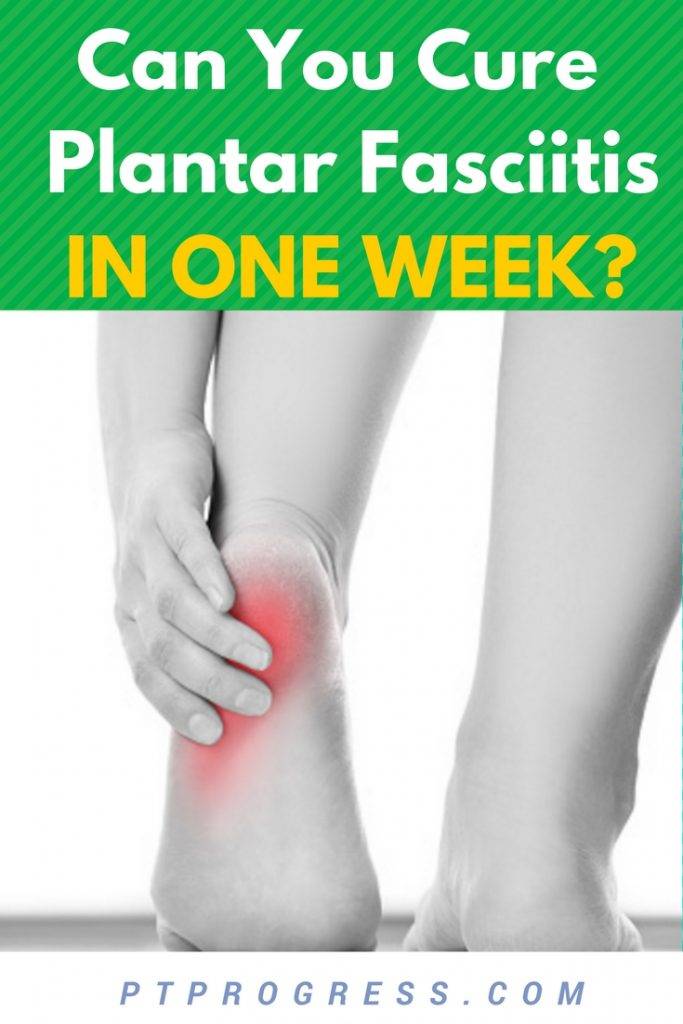
Plantar fasciitis is a common cause of heel pain. It occurs in the band of tissue in the foot that extends from the heel bone to the toes. This overuse injury weakens the plantar fascia, causing inflammation and pain. Overuse injuries, poor footwear, and obesity are all risk factors for plantar fasciitis.

The best treatment for plantar fasciitis is a combination of exercise and stretching. Exercising two to three times a day can help alleviate pain and inflammation. Stretching exercises are also important, increasing blood flow to the heel. Self-massage will also help. The main goal is to reduce the pain as much as possible.

People with heel pain may want to consider seeing a podiatrist. Using nerve conduction tests can help identify the cause of the pain. A podiatrist can also recommend shoe inserts to support your foot in the long run. Heel pain can also result from other conditions such as obesity, abnormal walking style, and certain diseases

Dry skin is a common problem among older adults. The main cause is a loss of oil glands. It can also signify other diseases, such as kidney or liver disease. Moreover, dry skin is a precursor to pre-cancers and skin cancers. In fact, many Americans will have some form of skin cancer by age 65.

Home treatments and lifestyle changes can ease the discomfort caused by plantar fasciitis. Low-impact exercise, appropriate footwear, and a healthy weight can reduce the likelihood of plantar fasciitis. If the symptoms persist, doctors may prescribe

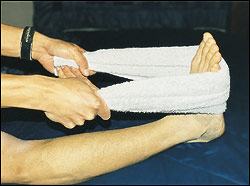
DIY plantar fasciitis wraps are easy to make and are an excellent way to relieve the pain associated with this condition. These wraps work by stretching your Achilles tendon and calf muscles. Stretching can be done before and after long periods of sitting. Doing this stretch at least three times a day is recommended to achieve maximum benefits.

The best night splint for plantar fasciitis should be easy to put on and take off. It should also have washable material and excellent ventilation. The Cool Stretch Night Stretch meets these requirements. It also offers an Ice pack that keeps feet cool and comfortable.

While night splints are generally meant to be worn overnight, they can also be worn during the day. Those who are active or are involved in their health and well-being will benefit from a night splint. They are also much smaller than most night splints.

Treatment for your plantar fasciitis may include rest, ice therapy, and support. These treatments can relieve your pain, as well as help strengthen the ligament. Ice has also been proven to reduce inflammation and decrease the risk of further damage to the ligament.

The ball roll is a simple exercise that will improve the arches of your feet. This simple exercise involves rolling a small ball (a tennis ball, for example) on a flat surface. Hold onto something while doing it to ensure stability. Start by placing your right heel on the ball, then slowly roll it towards your toes while keeping your balance.
An ice pack for plantar fasciitis can help reduce inflammation and relieve pain. It can also relieve inflammation and constricts blood vessels. Ice can be placed directly on the heel or arch of the foot or applied with a compression bandage. Another effective method for treating plantar fasciitis is using an ice bath.

You’ve developed pain in your heel that makes it hard to walk. You may have a foot disorder called plantar fasciitis. Early treatment helps prevent further in

Occupational risk factors for plantar fasciitis include standing for long periods, wearing high-heeled shoes, and being overweight. People with diabetes or obesity are at a greater risk of developing plantar fasciitis. In addition, a

Exercising and stretching can help with pain relief for plantar fasciitis. Here are some exercises you can do at home with little or no equipment.

Heel bursitis is one possible cause of pain at the back of the heel. Correct diagnosis is the key to managing it correctly. Find out how.
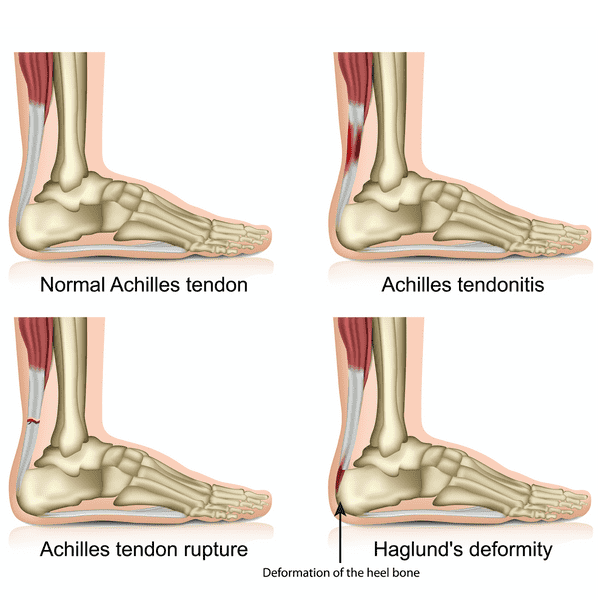
Achilles tendon disorders include tendonitis, or inflammation of the tendon, and tendonosis, which is degeneration resulting from insufficient Achilles tendonitis treatment. Both can lead to significant Achilles heel pain.

If you have flat feet, you don’t have a normal arch when standing. Read about symptoms and causes.

Heel spurs can be painful. Here’s what you need to know about what they feel like, what causes them, and what you can do to prevent them.

Sever’s disease, a common heel injury in kids, is due to inflammation (swelling) of the growth plate in the heel. While painful, it’s only temporary and has no long-term effects.
End of content
End of content