Plantar Fasciitis: Symptoms, Causes & Treatments
Wearing high heels regularly can contribute to the development of plantar fasciitis due to the increased pressure placed on the feet and altered biomechanics.


Wearing high heels regularly can contribute to the development of plantar fasciitis due to the increased pressure placed on the feet and altered biomechanics.

As plantar fasciitis heals, pain should be reduced by rest and ice. The pain can also be eased by a warm bath or by wearing supportive shoes. The use of over-the-counter pain relievers can also ease the pain. It is also advisable to stretch the affected area. Doing simple exercises at home can help in stretching the plantar fascia.

In addition to home treatments, nonsteroidal anti-inflammatory medication may also be recommended. These can relieve the pain caused by plantar fasciitis and help heal the heel. Exercise also helps to strengthen the muscles in the foot.
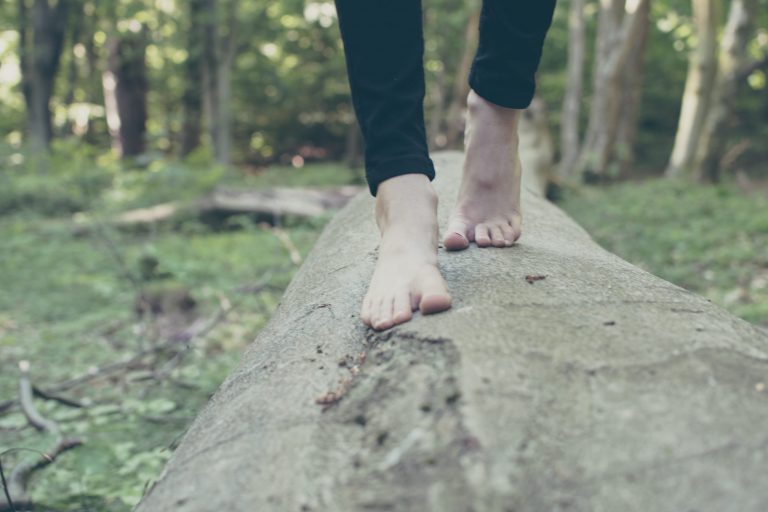
Treatment for your plantar fasciitis may include rest, ice therapy, and support. These treatments can relieve your pain, as well as help strengthen the ligament. Ice has also been proven to reduce inflammation and decrease the risk of further damage to the ligament.
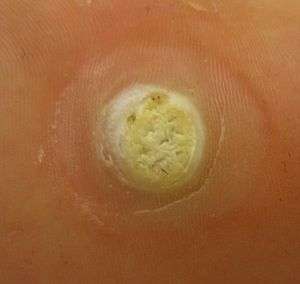
Warts can develop anywhere on the foot but typically they appear on the bottom (plantar side). Plantar warts most commonly occur in children and the elderly

Here are some awesome ways in which you can show pamper your feet and make them supple and nourished.
End of content
End of content