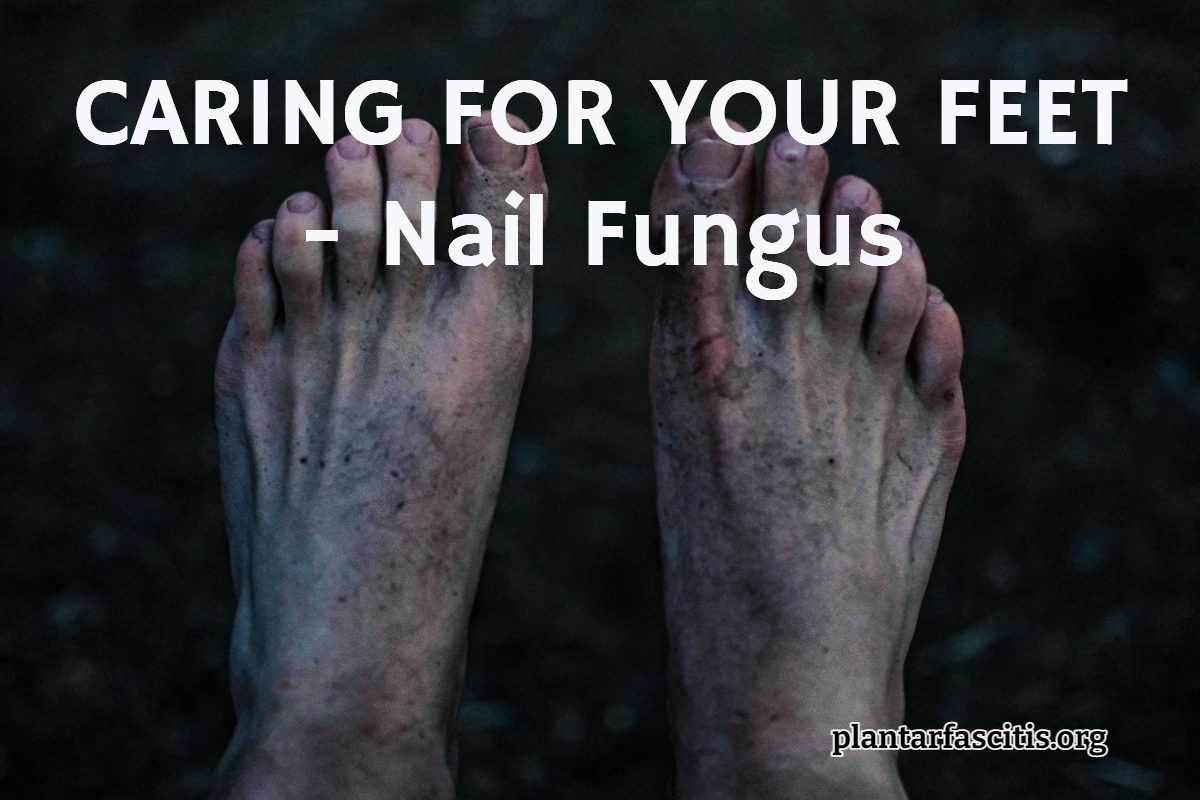
Foot Care – Nail Fungus
Nail Fungus (Onychomycosis) is a progressive disease of the toenails and fingernails. Nail fungus is the most common cause of discolored, thick, and deformed toenails.
Toenails are affected more often than fingernails because the fungi that cause this disease thrive in the dark, warm, moist environment found in our shoes.
Infected nails may first appear as a yellowish, white, or green discoloration of a small area of the toenail. If left untreated, the entire nail may eventually become discolored, thick, flaky, and detached from the underlying nail bed.
An accumulation of dead, white, dry material may form between the nail and the underlying nail bed.
The infected toenails are usually not painful until the nail becomes so thick that it rubs against the toe box of the shoe.
What is a Fungus?
Fungi (plural) belong to a group of primitive organisms, including mushrooms, yeasts, rusts, and molds. The most common species of fungi that attack humans’ skin and nails fall within the dermatophytes category.
Dermatophytes are parasitic fungi that attack and cause diseases of the skin and nails.

- Restore Healthy Nails With Clinically Proven Targets fungus at its source with our unique, easily-absorbed delivery system. Effective proprietary tolnaftate toe fungus nail treatment extra strength fast acting formula. Don’t risk further fungal spread
- Regain Confidence End Embarrassment & Discomfort grow healthy nails, wear open-toe shoes and go barefoot with confidence. This fungus nail treatment tackles yellow, thick, black, mycosis, and onycholysis nails. Anti fungal nail liquid helps relieve itching, burning, cracking, scaling and discomfort
- Easy-To-Use, Mess-Free Aapplicator Brush Reaches Around and Under the Toenail. Toe nail fungus treatment extra strength dries fast, non-staining, goes on clear
- Natural Ingredients Formula Packed with Tea Tree, Vitamin E, Omegas 3-6, and more. A complete toenail fungus treatment extra strength with tolnaftate 1%, free from parabens and harsh chemicals
- Risk Free 100% Empty Bottle Money-Back Promise even for those that need a severe nail fungus treatment. If you’re not satisfied, contact our support, no questions asked.
Last update on 2026-10-12 / Affiliate links / Images from Amazon Product Advertising API
The function of the Toenails:
They once served as claws and aided early humans in defending themselves, allowing them to climb and move over specific ground surfaces more easily.
Today, they serve no useful purpose, and when they cause chronic problems, the nails can be removed without inconveniencing the individual.
Having ten toenails and fingernails is certainly more cosmetically pleasing than missing a nail here or there!
The anatomy of the nail is divided into six specific parts:
1. the nail root (nail matrix)
2. nail bed
3. nail plate
4. cuticle (eponychium)
5. perionychium (lateral and medial nail folds)
6. hyponychium
Rate of Nail Growth:
Nails grow from the day we are born until we die. The rate at which nails grow becomes slower as we age; the growth rate can also be affected by certain diseases, poor circulation, dietary deficiencies, medications, and chemotherapy.
Fingernails grow faster than toenails, at a rate of 3mm per month. It takes six months for a fingernail to grow from the root to the free edge.
Toenails grow about 1 mm per month and take about 12 months to replace completely.
There is an “urban myth” about nail growth continuing after death; it is not so. What appears as nail growth after death is the shrinking of the skin and soft tissue around the nail plate.
This gives the nail plate the appearance of getting longer, but it is not; everything around it is just shrinking.
Nail Fungus: Symptoms
The symptoms of nail fungus can vary greatly according to the Type of nail fungus infection present.
Duration of the infection. The early signs differ greatly from those seen after the condition has been present for some time. Usually, there is no pain until the latter stages of the disease, when the nail plate becomes thick and deformed.
Nail Fungus: Causes
How a Fungal Nail Infection Occurs: For a fungal nail infection to occur, the fungus must successfully attack and penetrate the nail plate or nail bed.
This can only happen if the nail plate is damaged or separated from the underlying nail bed. This damage or separation needs only be microscopic; that is all a fungus needs to invade the nail.
Most healthy people have a natural immunity to these organisms, so they can successfully destroy the fungi before it take hold in the nail plate or bed.
Those who do not have this immunity are among the millions of Americans who suffer from onychomycosis (fungal nail infections).
Predisposing Factors (or those factors which increase a person’s chances of developing a fungal nail infection):
Certain systemic diseases decrease the efficiency of the immune system, making it difficult to fight off nail fungi:
Poor circulation
Diabetes
Immunosuppressive diseases
Cancer that is being treated with radiation or chemotherapy
Improperly cleaned and sterilized pedicure instruments and soaking tubs make it easy for fungi to be transferred from one person’s infected nail to someone else’s healthy/normal nail.
“An ounce of prevention is worth a pound of cure” is most appropriate when visiting a nail salon: Bring your professional quality pedicure/manicure instruments and tub liners with you!
Toenail fungus may spread from foot to foot on the wet floors of showers and locker rooms and around swimming pools. Frequent use of these facilities can increase the risk of fungal nail infections.
The fungi which cause athlete’s foot of the skin are the same organisms that cause fungal nail infections. Therefore, those who experience frequent attacks of the athlete’s foot are more prone to developing fungal nail infections.
Fungi need moisture to survive. People with sweaty feet or those who practice poor foot hygiene are more susceptible to fungal nail infections.
Frequent injuries to the toenails may loosen the nail from the nail bed, allowing fungi to invade the nail. Athletes and those wearing tight or pointed-toe shoes frequently injure their toenails, thus increasing their risk of fungus.
Constantly wearing nail polish prevents the air from getting to the nail plate. Fresh air helps to keep nails dry and healthy.
Also, the harsh chemicals in the nail polish may help destroy the nail’s normal structure. This can make it easier for a fungus to invade and penetrate the nail.
No products found.
Nail Fungus: Treatment
The sooner treatment is begun, the faster the nail will return to normal. Topical medications, or those applied directly to the nail, are most effective when the infection has not:
Grown under the proximal nail fold produced a thick and deformed toenail
If the infection has spread under the proximal nail fold or produced a thick and deformed nail, you may want to discuss using Oral anti-fungal medications with your doctor.
Oral medications may produce some serious side effects, and it is for this reason that your doctor may insist that you try topical medications first.
We have found that the following Topical Medications are uniquely effective in the treatment of fungal nail infections:
Treatment of fungal nail infections can be frustrating, mainly if you use the wrong product! You can save time and money by using these products that doctors recommend. These products are not available in pharmacies.
How To Naturally Kill Nail Fungus
Here are some natural remedies that may help you deal with toenail fungus:
- Apple Cider Vinegar: Soak your feet in a mixture of equal parts of apple cider vinegar and water for 30 minutes daily.
- Tea Tree Oil: Apply tea tree oil directly to the affected nail twice daily, using a cotton swab.
- Baking Soda: Make a paste with baking soda and water, apply it to the toenail, and let it sit for 10 minutes before rinsing it off.
- Garlic: Apply chopped or crushed garlic to the affected area for 30 minutes daily.
- Coconut Oil: Rub coconut oil onto the affected area and let it absorb and dry naturally.
- Oregano Oil: Mix oregano oil with a carrier oil like olive oil and apply it to the affected area.
Remember, consistency is key with these treatments. However, it is important to note that these remedies are not guaranteed to work for everyone. If your toenail fungus is severe or causing you discomfort, it’s best to seek medical advice.
Prevention Tips:
Before bed, thoroughly wash and dry your feet
Keep your feet dry. Dry feet are less likely to become infected. Apply powder to your dry feet after you take a shower or bath.
Wear dry cotton socks and change them if necessary.
Wear dry shoes that allow air to circulate on your feet. Avoid tight, enclosed shoes. Injury to the tips of the toes because of tight shoes may be the biggest single factor that leads to a fungal nail infection returning.
Wear sandals or shoes when using a public pool or shower; allow them to dry between uses.
Don’t share shoes, socks, nail clippers, or nail files with others.
Avoid injuring your nail. Cutting nails too short is a common cause of nail injury. If you want artificial nails or have a manicure, go to a salon that uses sterile instruments.
Nail manicures and certain nail products can damage the nail or cuticle, making the nail more susceptible to infection.
Nail Fungus And Hydrogen Peroxide
Hydrogen peroxide is often used as a home remedy for treating toenail fungus. It’s believed to have antifungal properties that could help kill the fungus. Here’s how you can use hydrogen peroxide for this purpose:
- Soaking Method: Mix equal parts of 3% hydrogen peroxide and water in a tub. Soak the affected toenails in this solution for about 20 minutes. After soaking, dry your feet thoroughly.
- Direct Application: Apply 3% hydrogen peroxide to the affected nail using a cotton ball or swab. Let it sit for a few minutes before rinsing off.
- As a Foot Bath: You can add a cup of hydrogen peroxide to a warm water foot bath and soak your feet for around 20 minutes daily.
Please note that using hydrogen peroxide to treat toenail fungus might not work for everyone, and it may take several weeks or months to see improvement.
Also, ensuring the solution does not irritate your skin is essential.
If it does, cease the treatment immediately.
If your toenail fungus persists, it’s best to consult a healthcare provider for more effective treatment options.