Gentle Plantar Fasciitis Stretches and Strengthening Exercises for Better Foot Comfort
Plantar fasciitis exercises may ease heel pain and morning stiffness. Try gentle stretches, build strength gradually, and adjust activity to your symptoms.

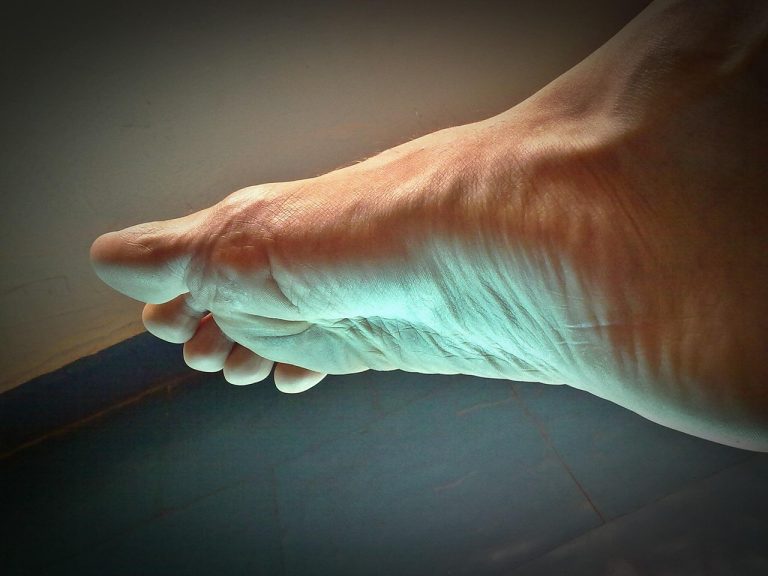
Plantar fasciitis exercises may ease heel pain and morning stiffness. Try gentle stretches, build strength gradually, and adjust activity to your symptoms.

Relieve plantar fasciitis pain with effective stretches you can do in bed. Get expert tips and exercises for plantar fasciitis relief.

By taking proactive steps to prevent plantar fasciitis through appropriate footwear, gradual progression of physical activities, weight management, and regular stretching exercises, you can significantly decrease the chances of experiencing this painful condition.

To effectively minimize the risk of developing plantar fasciitis, following a comprehensive exercise routine that includes stretching, strengthening, and balance exercises is essential.

If none of the treatments for plantar fasciitis provide relief, your doctor may suggest surgery. This could involve either a heel release or passing shockwaves through the affected area to promote healing and speed up healing.

One of the most successful treatments for plantar fasciitis is applying ice. This remedy reduces swelling and the inflammatory proteins responsible for pain, while also numbing nerve endings beneath your skin.

As plantar fasciitis heals, pain should be reduced by rest and ice. The pain can also be eased by a warm bath or by wearing supportive shoes. The use of over-the-counter pain relievers can also ease the pain. It is also advisable to stretch the affected area. Doing simple exercises at home can help in stretching the plantar fascia.

In addition to home treatments, nonsteroidal anti-inflammatory medication may also be recommended. These can relieve the pain caused by plantar fasciitis and help heal the heel. Exercise also helps to strengthen the muscles in the foot.
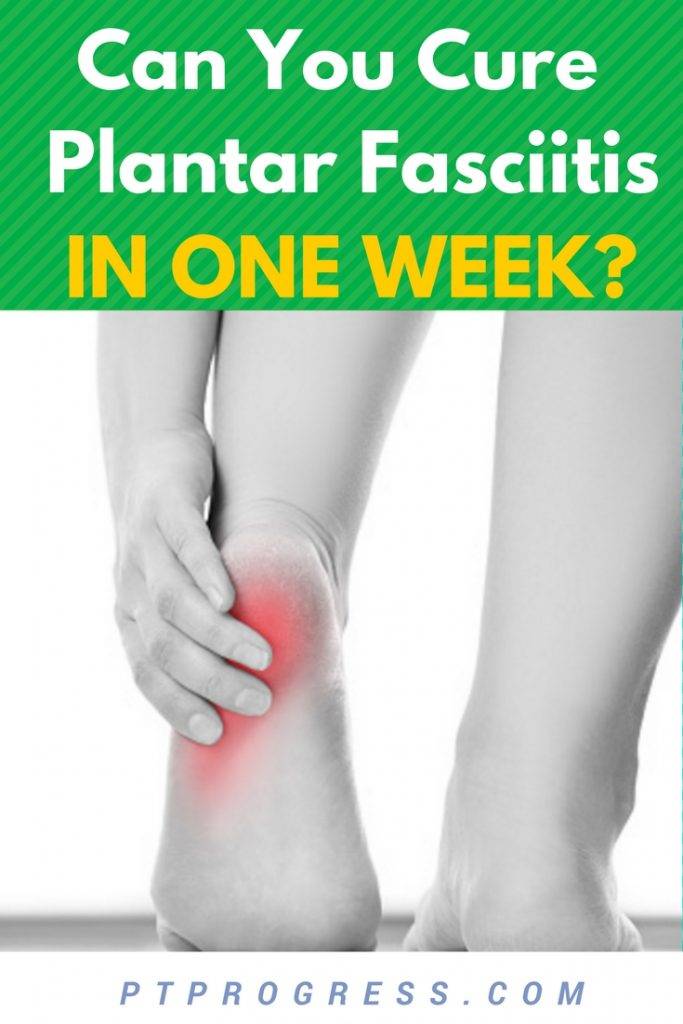
Studies have shown that 80 percent of patients with plantar fasciitis improve with night splints. This treatment is particularly helpful for older patients who have had their symptoms for more than a year. Although night splints are uncomfortable, the results are generally positive, and many patients cite them as their best treatment.

Symptoms of plantar fasciitis are similar to those of other types of heel pain. They are usually characterized by a stabbing pain that worsens in the morning, often on the first step after waking up. However, pain can also be triggered by long periods of sitting or standing.

The pain in the heel is usually worse when you are standing on your toes. It may also feel warm to the touch. If the bursitis is serious, it may require surgery to relieve the pain. An orthopedic physician can help you find out the best course of treatment.

If your pain is severe enough that you can’t walk, you should seek medical advice. A physician may be able to prescribe medications or perform simple stretches. In some cases, the symptoms of plantar fasciitis will subside on their own.

Using a night splint for plantar fasciitis is an effective way to relieve pain and increase healing time. It’s best to wear it for a short time each night and increase the time gradually each night. A good target for wearing the night splint is four or five hours or overnight. This allows the plantar fascia tissue to lengthen and heal.

Plantar fasciitis is an overuse injury in the foot. An injury can cause this condition to the plantar fascia or to the Achilles tendon. It can be aggravated by repetitive motions, overuse, or long periods of standing. A podiatrist can diagnose this condition.

The best treatment for plantar fasciitis is a combination of exercise and stretching. Exercising two to three times a day can help alleviate pain and inflammation. Stretching exercises are also important, increasing blood flow to the heel. Self-massage will also help. The main goal is to reduce the pain as much as possible.

You’ve developed pain in your heel that makes it hard to walk. You may have a foot disorder called plantar fasciitis. Early treatment helps prevent further in

Occupational risk factors for plantar fasciitis include standing for long periods, wearing high-heeled shoes, and being overweight. People with diabetes or obesity are at a greater risk of developing plantar fasciitis. In addition, a

Plantar fasciitis is an extremely common cause of heel pain. Fortunately, there are at-home remedies that ease and even manage the symptoms of an inflamed plantar fascia.

When a person has hammer toe, the end of their toe bends downward and the middle joint curls up. Over time, the toe gets stuck in a stiff, claw-like position.

Heel spurs can be painful. Here’s what you need to know about what they feel like, what causes them, and what you can do to prevent them.

Arch pain is a common foot complaint. Arch pain, also sometimes called a strain, often causes inflammation under the foot.

Maintaining foot health is often overlooked in our general health and well-being routines. But doing so can have substantial benefits, including reduced pain, prevention of various ailments, and even improved balance and stability.

Wearing inappropriate footwear can significantly impact the body, including causing or exacerbating back pain.

Here are some awesome ways in which you can show pamper your feet and make them supple and nourished.
End of content
End of content